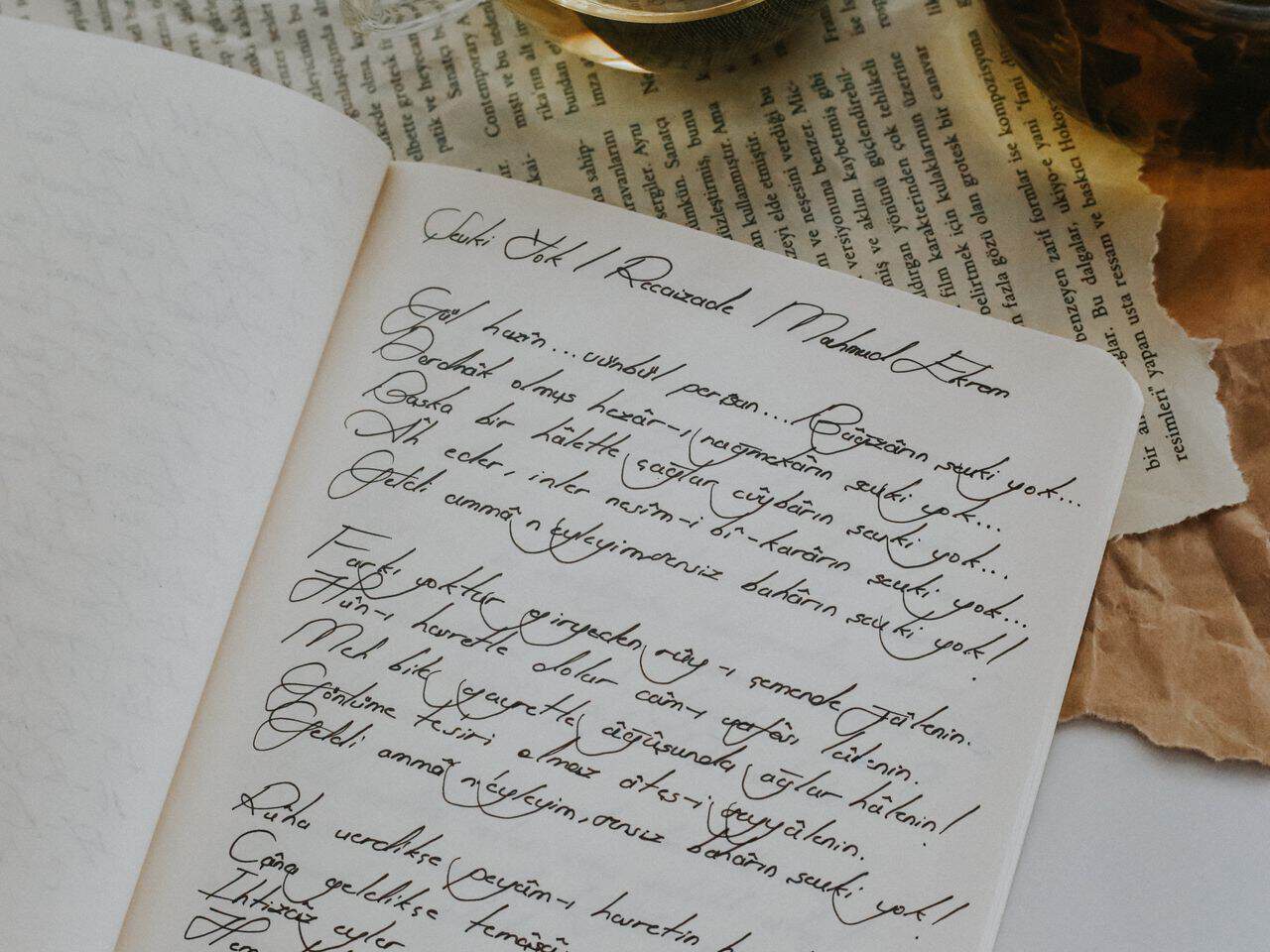
Poetry books offer a unique way to experience language, emotion, and ideas. Unlike novels, which often follow a continuous story, poetry collections can take readers through different moods, perspectives, memories, and moments. A good poetry book can stay with you long after you finish reading it, giving you new ways to understand both the world and yourself.
Choosing the right collection, however, can feel overwhelming. There are countless poets, styles, themes, and forms to explore. Whether you are completely new to poetry or already enjoy reading poems, understanding what to look for can help you find collections that genuinely interest and inspire you.
Understand What You Want From Poetry
Before choosing a poetry book, think about why you want to read poetry. Your purpose can make a significant difference in the type of collection you will enjoy.
Reading for Emotion
If you enjoy poetry because it helps you explore feelings, look for collections that focus strongly on human experiences. Love, grief, loneliness, identity, hope, relationships, and personal growth are common themes that can create an emotional connection with readers.
A collection that reflects something you are currently experiencing may feel especially meaningful. Sometimes a poem can express an emotion that is difficult to put into your own words.
Reading for Inspiration
If your goal is to become a better writer, choose collections that expose you to different approaches to language and structure. Pay attention to how poets begin their poems, create images, develop ideas, and use silence or line breaks.
Reading poetry as a writer does not mean analyzing every line. It means becoming curious about the choices behind the words and noticing techniques that you may eventually experiment with yourself.
Explore Different Poetry Styles
Poetry is incredibly diverse. Exploring different styles can help you discover what speaks to you personally.
Free Verse Collections
Free verse does not follow a strict rhyme or meter pattern. Many modern poetry collections use this form because it allows poets to create natural rhythms and structures.
Free verse can be particularly approachable for newer readers because the poems may resemble ordinary speech while still using imagery, repetition, and carefully constructed language.
Traditional Poetry
Traditional poetry can include forms such as sonnets, ballads, odes, and other structured styles. These poems often follow specific patterns of rhythm, rhyme, or length.
Reading traditional forms can help you understand the foundations of poetic structure. Even if you eventually prefer free verse, studying structured poetry can improve your awareness of rhythm and sound.
Narrative Poetry
Narrative poems tell stories through verse. They may explore historical events, personal experiences, fictional characters, or dramatic situations.
If you enjoy storytelling but want to experience it through poetic language, narrative collections can be an excellent choice. They combine elements of literature and poetry while demonstrating how a story can be compressed into carefully selected moments.
Choose a Theme That Interests You
A strong connection with a subject can make poetry easier and more enjoyable to explore.
Love and Relationships
Love poetry remains one of the most widely explored areas of literature. Collections about relationships can explore attraction, intimacy, heartbreak, separation, commitment, and memories.
Rather than choosing a book simply because it is categorized as love poetry, consider whether its emotional perspective appeals to you. Different poets can approach the same subject in completely different ways.
Nature and Everyday Life
Poetry about nature can transform familiar experiences into something more thoughtful. Seasons, landscapes, animals, weather, gardens, oceans, and changing skies can all become subjects for reflection.
Collections focused on everyday life can have a similar effect. A poet may take an ordinary conversation, a morning routine, or a quiet room and reveal an unexpected emotional meaning within it.
Identity and Personal Experience
Many contemporary poetry collections explore identity, family, culture, belonging, memory, and personal change. These books can offer readers perspectives that may be very different from their own.
Reading such collections can expand your understanding of how people experience the world while also encouraging you to think more deeply about your own experiences.
Consider the Poet’s Voice
A poet’s voice is one of the most important elements of a poetry collection. Some poets write in a conversational style, while others use highly symbolic or experimental language.
Look for a Voice You Enjoy
Read a few sample poems before committing to an entire collection when possible. Notice how the language sounds to you and whether the imagery holds your attention.
You do not have to understand every poem immediately. Poetry can be mysterious or ambiguous, and sometimes its meaning becomes clearer after several readings. What matters initially is whether the poet’s voice makes you want to continue reading.
Do Not Be Afraid of Difficult Poetry
Not every poetry book needs to be easy to understand. Challenging collections can encourage you to slow down and read more carefully.
A poem may reveal something new each time you return to it. If a collection initially feels difficult, give yourself permission to read only a few poems at a time rather than trying to understand everything at once.
Read Collections, Not Just Individual Poems
A poetry collection is usually more than a random group of poems. Many books have an emotional or thematic progression that becomes visible when you read several poems together.
Notice Connections Between Poems
Look for recurring images, ideas, words, or subjects. A poet may return to the same image throughout a collection but give it a different meaning each time.
These connections can reveal another layer of the book and show how individual poems contribute to a larger artistic vision.
Pay Attention to the Order
The sequence of poems can influence how a collection feels. A book might gradually move from loss toward acceptance, from uncertainty toward confidence, or from isolation toward connection.
Reading the collection in its intended order can therefore provide a different experience from reading individual poems at random.
Use Poetry Books as Writing Inspiration
Poetry collections can become valuable resources for writers. They can help you discover possibilities you may not have considered before.
Study the Craft
When you find a poem you admire, examine what makes it effective. Consider its opening, imagery, rhythm, word choices, line breaks, and ending.
You can learn from these techniques without copying the poem. The goal is to understand how poetic decisions create an emotional response.
Keep a Reading Journal
Writing down your reactions can make your reading more active. You might record an image that stayed with you, a question raised by a poem, or an interesting technique used by the poet.
Over time, these observations can become a source of ideas for your own writing. A poetry journal can also show you how your taste and understanding develop.
Build Your Personal Poetry Collection
You do not need to read every famous poet to become knowledgeable about poetry. Start by finding a few writers whose work genuinely interests you.
As you explore, your preferences will become clearer. You may discover that you prefer short poems, long narrative pieces, romantic poetry, experimental writing, traditional forms, or something completely different.
The best poetry collection is not necessarily the most famous one. It is the one that makes you stop, reread a line, think about an idea, or feel something unexpected.
Final Thoughts
Choosing poetry books is ultimately a personal experience. Start with themes and styles that interest you, explore unfamiliar voices when you feel ready, and give yourself time to discover what kind of poetry resonates with you.